
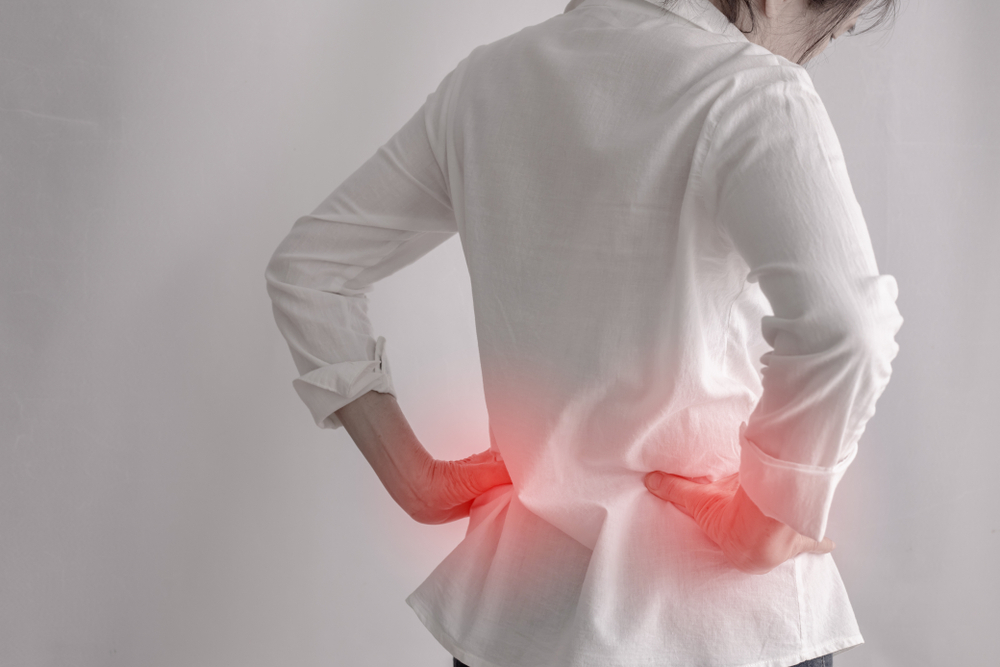
Sciatica is characterized by pain in the lower back that radiates down one or both legs. The pain is described as dull, achy, sharp, like “pins and needles” or similar to electric shocks. Other symptoms associated with sciatica include burning, numbness and tingling sensations. Sciatic nerve pain varies in intensity from mild to severe, and frequency may range from occasional to constant. The onset is generally gradual and not necessarily associated with a previous event.
Sciatica is also known as radiating or referred pain, neuropathy, or neuralgia.
Book OnlineHere at Hoffman Family Chiropractic, we regularly treat patients with sciatica. Since there are many disorders that cause sciatica, we will determine what is the root cause of your sciatica by taking a thorough patient history during your physical and neurological exam. In some instances, diagnostic testing such as an x-ray, MRI, CT scan and/or electrodiagnostic test (electromyography) might be necessary. These examinations and tests help to detect possible contraindications to spinal adjustments and other chiropractic therapies.
The best care for sciatic pain is to schedule regular chiropractic appointments. This allows us to better detect and correct any spinal dysfunction that may be a source of the sciatic pain. Call our office today at (732) 295-1211 to start living a pain-free life.
What is sciatica?
Sciatica isn’t a disease or illness in itself; it is a medical term used to describe a set of symptoms caused by the compression or irritation of the sciatic nerve—the longest and widest single nerve in the human body.
What are the classic symptoms of sciatica?
The hallmark of sciatica is pain that originates in the lower back or buttock and travels down the back of one leg, sometimes extending into the calf and foot.
- The pain type: Can vary widely, from a mild ache to a sharp, burning sensation or an excruciating jolt of electrical pain.
- Triggers: It often feels worse when you cough, sneeze, or sit for long periods.
- Other signs: Numbness, tingling, or muscle weakness in the affected leg or foot.
What triggers a flare-up?
Sciatica is typically triggered when something pinches the nerve root in the lower spine. The most common culprit is a herniated or bulging disc (accounting for about 90% of cases). Other causes include bone spurs, spinal stenosis (narrowing of the spinal canal), or Piriformis syndrome (a muscle in the buttock compressing the nerve).
When should I go to the emergency room for sciatica?
While most sciatica resolves with conservative care, you should seek immediate medical attention if you experience:
- Sudden, severe pain in your low back or leg accompanied by numbness or weakness.
- Pain following a violent trauma (like a car crash).
- Cauda Equina Syndrome signs: Sudden difficulty controlling your bowels or bladder, or a progressive numbness in your groin area (saddle anesthesia).